Prep Time: 15 mins Cook Time: 4 hrs 30 mins Servings: Yield: 6 servingsSource: skinnytaste.com
INGREDIENTS
1 lb boneless skinless chicken thighs , or chicken breast
1 teaspoon avocado oil , or olive oil
1/2 medium onion, chopped
2 garlic cloves, finely chopped
1 teaspoon ground cumin
1 teaspoon kosher salt
2 cups homemade enchilada sauce, or 16 ounce jarred
1/4 cup sour cream, plus more for serving
4 corn tortillas, cut into strips
15 ounce can low-sodium black beans, rinsed and drained
4 ounces shredded cheese, such as a Mexican cheese blend, Monterey Jack, or mozzarella (about 1 cup)
sliced jalapeño peppers , and chopped fresh cilantro, for topping
optional for topping and serving:
sliced avocado
crema or sour cream
cilantro lime rice
DIRECTIONS
Heat the oil in a skillet over medium heat. Add the onion, garlic, cumin, and salt and cook, stirring, until the onion has softened and browned, about 5 minutes.
Transfer to the slow cooker and add the enchilada sauce, sour cream, and 1/4 cup water to the onion mixture and stir to combine. Fold in the beans until thoroughly coated.
Nestle the chicken in.
Cover and cook on high for about 3 to 4 hours or high low for about 6 to 7, until chicken is tender and cooked through. Shred the chicken in the pot with 2 forks.
Add the tortilla strips and stir, then top with the cheese, cover the slow cooker, and cook 30 minutes or until the cheese has melted.
Once the cheese is melted, garnish with cilantro, jalapenos, and optional toppings.
Serve over rice if desired and top with optional sour cream, and avocado.
NOTES
If using chicken breast, the WW Points are 5 pts instead of 7.
Refrigerated for 4 days in an airtight container. You can also freeze it for up to 3 months and reheat it in the microwave.
To make this in the pressure cooker or Instant Pot: follow steps 1 to 4, cook high pressure 20 minutes, natural release. Shred chicken, add tortillas, stir in. Top with cheese and cook high pressure 5 to 10 minutes, quick release.
1 (28-ounce) can crushed tomatoes, preferably San Marzano
Large pinch of saffron threads
Kosher salt and freshly ground black pepper
1/2 cup orzo
1/2 cup heavy cream
Grilled Cheese Croutons (recipe below)
Directions
In a large pot or Dutch oven such as Le Creuset, heat the olive oil over medium heat. Add the onions and cook over medium-low heat for 15 minutes, stirring occasionally, until golden brown. Add the garlic and cook for 1 more minute. Stir in the chicken stock, tomatoes, saffron, 1 tablespoon salt, and 1 teaspoon pepper. Bring the soup to a boil, then lower the heat and simmer for 15 minutes.
Meanwhile, fill a medium pot with water, add 2 teaspoons salt, and bring to a boil. Add the orzo and cook for 7 minutes. (It will -finish cooking in the soup.) Drain the orzo and add it to the soup. Stir in the cream, return the soup to a simmer, and cook for 10 more minutes, stirring frequently.
Serve hot with Grilled Cheese Croutons scattered on top.
Grilled Cheese Croutons (Serves 4 to 6)
4 (½-inch-thick) slices country white bread
2 tablespoons unsalted butter, melted
4 ounces Gruyère cheese, grated
Heat a panini grill. Place the four slices of bread on a cutting board and brush lightly with the melted butter, being sure to butter the corners. Turn the slices over and pile Gruyère on two of the slices. Place the remaining two slices of bread on top of the Gruyère, -buttered sides up.
Grill the sandwiches on the panini grill for about 5 minutes, until nicely browned. Place on a cutting board, allow to rest for 1 minute, and cut into 1-inch cubes.
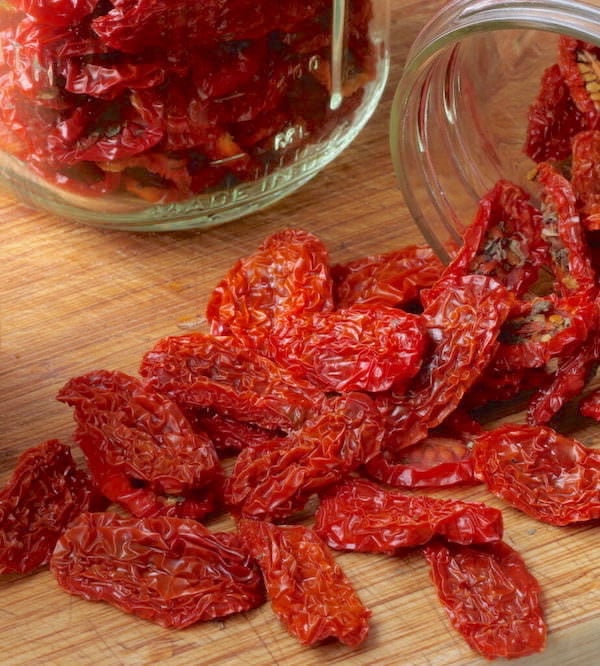
If you’re like me, you only eat fresh grape and cherry tomatoes when they’re in-season, vine ripened, and just picked. Compare the bright flavor of summertime tomatoes to the anemic taste of off-season hothouse tomatoes and there’s no contest! Want to preserve their incredible taste? Consider dehydrating them!
Dehydrating grape and cherry tomatoes creates an intense burst of flavor and color. If you grow your own garden I suggest planting extra grape tomatoes and/or cherries just for this purpose. If you don’t have your own bumper crop, see if a local farm or market will sell you them in quantity at a discount.
Dehydrating Grape and Cherry Tomatoes
“Moist-Dry” versus “Leathery-Dry”
I prefer dehydrating grape and cherry tomatoes until they are almost dry; I store these moist gems in the freezer. Dry completely if you prefer to store them in your pantry, otherwise they’ll grow mold.
Drying Tomatoes in a Dehydrator
Method Overview
Wash grape or cherry tomatoes Cut them in half Arrange on trays Dehydrate between 125ºF – 135ºF Check and rotate trays periodically
Wash the tomatoes and drain well.
Slice each tomato in half lengthwise.
Arrange the halved tomatoes on your dehydrator trays with the skins facing down. This will prevent the juices from dripping. Leave a bit of space between each tomato so they are not touching. Sprinkle with oregano and sea salt if desired.
Put the trays in your dehydrator and turn it on. If it has a thermostat, set it between 125º to 135º.
It will take 10 to 12 hours for the tomatoes to become “moist dry” and will take 12 to 14 hours to become “leathery dry.” These are approximate times. Periodically check the tomatoes for doneness, and rotate the trays. Even if your dehydrator has a fan, rotating the trays will help them become more evenly dried.
Once dried to your preference, let the tomatoes cool down. Place them in an airtight glass jar with a screw lid; label with the date.
Leave the jar at room temperature for 24 hours so the moisture content of the tomatoes will become more evenly distributed. This process is called “conditioning”.
Store moist-dry tomatoes in the freezer. Store leathery-dry tomatoes in a cool, dark, dry location.
Hard to eat just one so resist if you can!
FAQs
How long does it take to dehydrate grape and cherry tomatoes? In general, it takes somewhere between 10 to 14 hours for halved grape and cherry tomatoes to dehydrate. The actual time will depend on several factors, such as: • temperature of the dehydrator • humidity in the room • whether the dehydrator has a circulating fan or not to keep the heat evenly distributed • how often the dehydrator is opened, and if it opens from the top or side • size and moisture content of the tomatoes • whether you are drying until moist-dry or leathery-dry
How to use dried tomatoes? • We enjoy eating moist-dried tomatoes right out of the jar for a burst-of-tomato snack. We also add them to various salads, wraps, stuffings, and more. Many Italian recipes call for sautéing garlic in olive oil. Consider slicing moist-dried tomatoes into ribbons, then adding them to the pan during that step. They are especially delicious in hot or cold pasta dishes that call for a pesto or olive oil dressing. Even just a bit of these gems adds a welcome bursts of flavor – there’s no need to overdo it. • Soak leathery-dried tomatoes in a small amount of warm water until they are softened. Once they’re softened, slice into ribbons (or use as is) in various dishes as described above. You can add the tomato infused soaking water to your dish too.
How long do dehydrated tomatoes last? Technically, if kept in an airtight container, moist-dry tomatoes will last indefinitely in the freezer and leathery-dry tomatoes will last indefinitely in a dark, dry, cool location. The longer they are stored; however, the more nutrients will be lost. So try to use them within a year.
How to make tomato powder and what is it used for?
If you have a grinder or a high speed blender, tomato powder can be made from leathery-dried tomatoes following these three easy steps.
Freeze leathery-dried tomatoes before grinding or blending them into powder. Transfer them to your grinder or high-speed blender and immediately process using the highest speed. Blend while the tomatoes are still frozen for best results. They thaw fast, so work quickly. Put the powder into a glass jar with a tight fitting lid and store in a dark, dry, cool location. As you can imagine, tomato powder packs a tomato punch. It can be added to soups, sprinkled on anemic tomatoes (to boost their flavor), sauces, and more.
You can also use this powder to make tomato paste. Simply combine two parts powder to one part water and voila, you have tomato paste!
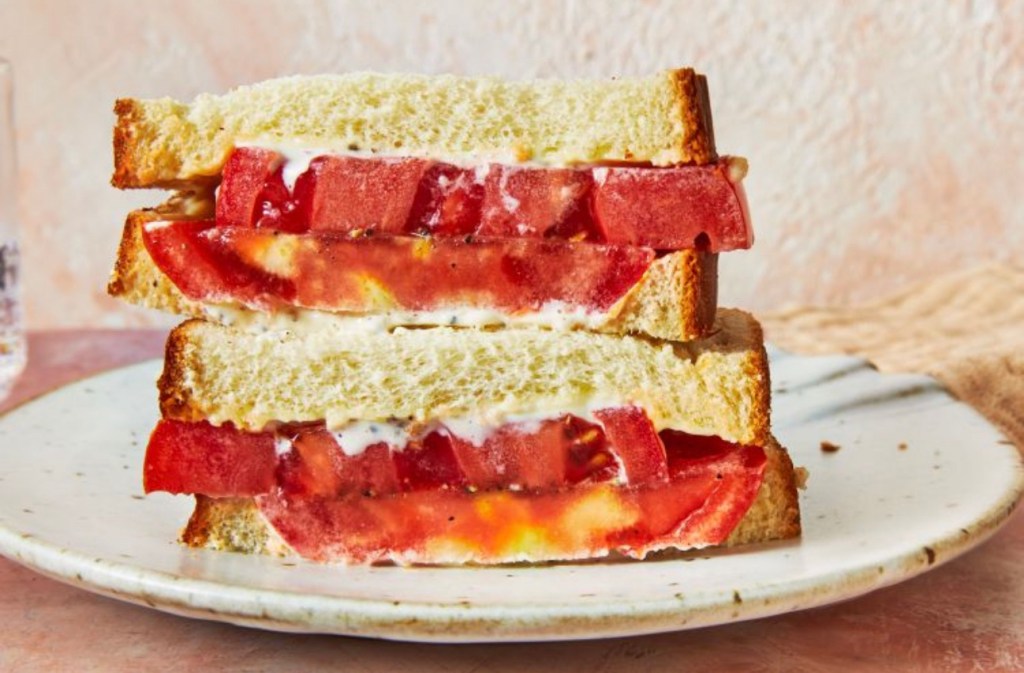
When garden tomatoes are at their juiciest, this classic eat-it-over-the-sink sandwich—with its mayo-gilded drips—is a must.
★★★★★
Sandwich, TRIED & TRUE
Prep Time: 5 mins Cook Time: 5 mins Servings: 1 Source: southernliving.com
INGREDIENTS
2 (1/2-inch-thick) slices beefsteak tomato
1/4 tsp. kosher salt or 1/8 tsp. table salt
1/4 tsp. freshly, coarsely ground black pepper
2 slices white sandwich bread
3 Tbsp. mayonnaise (homemade or Dukes)
DIRECTIONS
Prepare tomato slices:
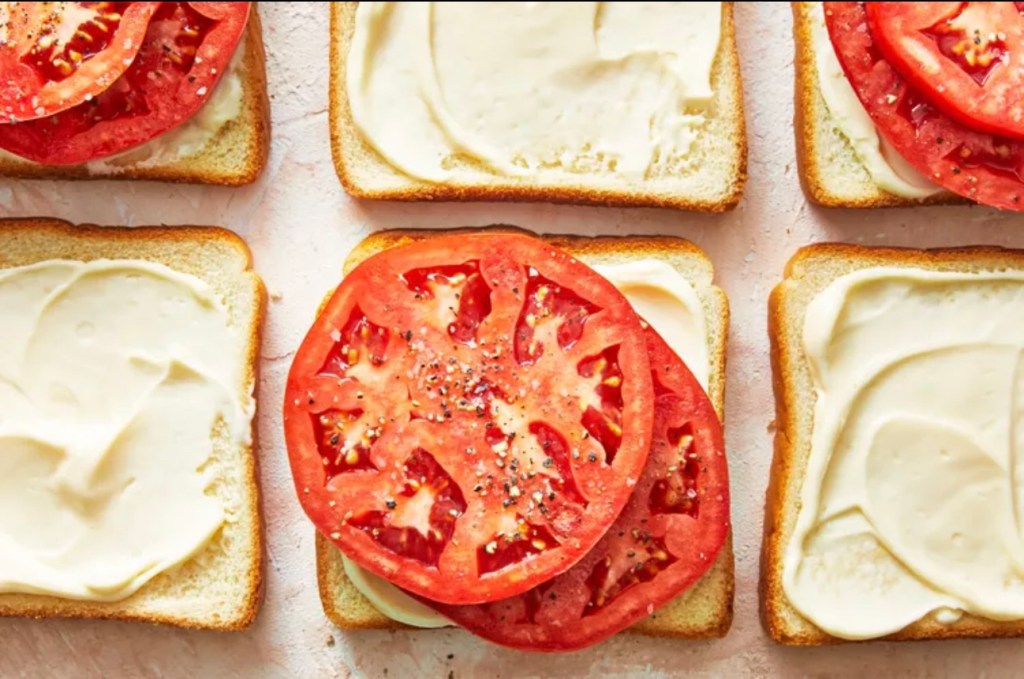
Arrange tomato slices on a paper towel; sprinkle evenly with salt and pepper. Let stand until tops of slices are beaded up with juices, 3 to 5 minutes.
Spread one side of each bread slice with 1 1/2 tablespoons mayonnaise.
Arrange tomato slices on mayo side of one bread slice; top with other bread slice, mayo slice down. Enjoy immediately.
It’s probably safe to say that most Southerners with tomatoes in their garden (or with generous friends who grow tomatoes) mark the official beginning of summer with their first tomato sandwich. It’s a delicious kickoff to a season of produce goodness, a ritual enjoyed often and with great enthusiasm while tomatoes are at their peak. It’s one of the simplest sandwiches you can make, and to enjoy a true taste of summer in the South, you really do need to keep it simple.
Of course, there are embellishments you can add if you want (more about that later), but the basic formula of soft white bread, mayonnaise, tomatoes, salt, and pepper produces a Southern ideal. The bread soaks up the yummy tomato juices, which mingle with the creamy mayo, but it doesn’t get soggy because you eat this yumminess right away, and quickly. The tomato sandwich is so irresistible, you might just gobble down two in a row. It’s shockingly easy to do.
What Kind of Tomato Is Best for a Tomato Sandwich?
The most important thing for a good tomato sandwich is that you start with a fresh beefsteak tomato from the garden or the farmers’ market. You’re not going to get the same sort of intense joy from a grocery store tomato, which typically lacks the same level of juiciness, sweetness, and flavor complexity.
Beefsteak tomatoes are the big guys, the ones you might sometimes call slicer tomatoes; a slice of this kind of tomato should cover a piece of sandwich bread or a hamburger bun. You can go with heirloom or conventional tomatoes; either type will be delicious.
What Kind of Bread Is Best for a Tomato Sandwich?
Soft white bread is what you want here. Baguettes and artisanal boules are beautiful loaves, and whole-grain bread is downright delicious, but they’re not right for this a tomato sandwich. Squishy white bread from the bread aisle, not the bakery section, is the right choice. The softness marries perfectly with the juicy-meaty texture of the tomatoes, so preferably leave the bread untoasted.
Note that some white sandwich bread is very sweet (from lots of added sugar), so for the best flavor—bread that truly complements the tomatoes—look for brands such as Sara Lee, which contains just two grams of added sugar per serving.
What Is the Best Mayonnaise for a Tomato Sandwich?
If you really want to go for the most luxe, top-notch experience, try making your own homemade Mayo. (It’s easier than you think, and it tastes fantastic.) Short of that, Duke’s gets the gold star for its supreme creaminess and balanced flavor with a hint of tang and loads of savory richness.
Our Top Tip for the Best Southern Tomato Sandwich
With something this simple, quality ingredients are of course key. We’ve already discussed those crucial garden tomatoes, the best bread, and the right mayo. To make all of those elements come together in perfect harmony, you need to season the tomatoes to enhance their flavor and juiciness.
We recommend placing the slices on a paper towel, sprinkling with generous amounts of kosher salt and coarsely ground black pepper, and letting them hang out for 3 to 5 minutes. Some of the juices will soak into the paper towel, but don’t worry—there will still be plenty to run down to your elbow as you take a bite. That brief hang time allows the seasonings to permeate the tomato (making it taste like tomato to the 10th degree) and really gets the juices going.
Possible Embellishments for a Tomato Sandwich
Trust us: The simple tomato sandwich recipe below is a thing of beauty, the sandwich you’ll crave all your life.
If you want a little more oomph, however, you can try adding some very thinly sliced Vidalia onion for crunch and additional savory notes. You can even soak that shaved onion in cider vinegar for a minute for a puckery pickled onion effect. Or chop some basil and stir it into your mayo for an herbal punch.
In place of kosher salt, you could try smoked salt, seasoned salt, or garlic salt, and you could replace the black pepper with crushed red pepper flakes.
Ingredients: ⅓ cup pineapple juice – 76 gr (or water or milk) ½ cup mashed potatoes – 125 gr 2 tablespoons nonfat dried milk powder – 14 gr (or use milk instead of pineapple juice and leave the milk powder out) 1 large egg – 50 gr 1 egg yolk – 14 gr 3 tablespoons sugar – 36 gr ⅓ cup heavy cream – (80 gr) ¼ cup butter – chopped (57 gr) 1 tablespoon honey – 21 gr 1 teaspoon salt – 6 gr ¼ teaspoon ground ginger ½ teaspoon cake batter-extract – 2.5 gr 3 cups unbleached all-purpose flour – 360 gr 2 teaspoons bread machine yeast – 6 gr Glaze 1 egg yolk – 14 gr 1 tablespoon milk – 14 gr
Directions: Making the dough: Combine all of the dough ingredients into the bread machine pan in the order given. Select the DOUGH cycle and push the START button.
Open the lid after a minute and check to ensure the paddles are engaged and working correctly. The dough should start to clump.
If the dough looks like pancake batter or is dry and crumbly, you may have inadvertently mismeasured an ingredient, or perhaps there is a mistake in the recipe. Add flour, one tablespoon at a time, if the dough is too wet, or liquid if the dough is too dry (wait a couple of minutes between each addition). Recheck your dough again after 15-18 minutes. The dough should stick to the sides, then pull away cleanly. See the video to watch this in action. Note how shiny and elastic the dough is.
When the dough cycle completes and the dough has risen to double, remove dough from the bread machine pan to a floured surface. (I use a silicone mat so I can throw it in the dishwasher.) Shaping the dough for rolls: Spray two 7 or 8-inch, square or round pans with an aerosol oil/flour mixture like Baker’s Joy. Form dough into a large ball. Divide in half. Divide each half into 10 portions and form each portion into a ball. Place 10 balls into each pan. Cover pans with a tea towel and find a warm place for the rolls to rise again. About 15 minutes before rolls are ready to bake, preheat oven to 375 degrees. Let dough balls rise until about half again their original size. If you let them get too big during this rising, they will be dry. Glaze Whisk egg yolk and milk together in a small bowl. Use a silicone brush to carefully coat unbaked rolls (don’t let it drip) before you place them into the oven. Baking Rolls Place rack in a low position in your oven. Bake rolls at 375˚F for 13-15 minutes or until golden brown. You don’t want them to be doughy, but if you bake them too long, they will be dry and lose the soft texture you expect in Hawaiian bread. After cooling an hour or two, place rolls into a plastic bag to keep the crust soft.
Notes: Variation:
Knead a cup of raisins or other dried fruit into the bread dough after removing it from the bread machine for a fabulous variation.
If you want a round loaf, divide the dough into three parts. Use two parts to make a round loaf. The remaining dough is good for rolls. In case you’re wondering why not make a bigger loaf with all the dough: My experience says it’s difficult to get a whole loaf of that size to bake all the way through without drying out the loaf on the edges. Directions for making bread with a stand mixer or by hand: To make this recipe in a heavy-duty stand mixer: Add ingredients to the bowl in the same order.
Turn on LOW to mix until all ingredients are moistened. Then, using a dough hook, turn the speed to 2 or 3. Continue beating/kneading until dough becomes smooth and elastic (about 5-10 minutes). Cover and allow to rise in a warm place. Deflate dough gently and shape as indicated in the recipe.
If making by hand: Combine all ingredients into a shaggy ball in a large bowl. Turn dough out onto a floured surface. Knead with your hands until the dough becomes smooth and elastic. Kneading will likely take 10-20 minutes, depending on your experience. Place the dough ball into a greased bowl. Cover and allow to rise until double. Deflate the dough gently and shape as indicated in the recipe. Please note: If you only have active dry yeast, use 1/4 teaspoon more than called for in the recipe. It no longer needs to be dissolved first, but you can if you prefer.
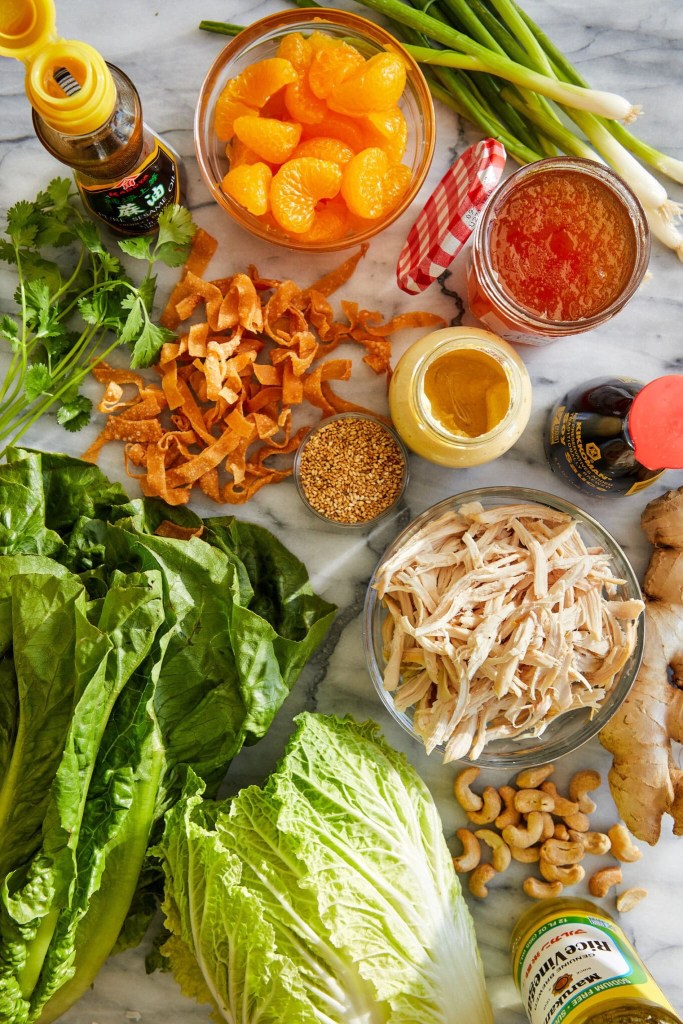
Made with leftover rotisserie chicken, romaine, napa, crispy wonton strips and the best sesame ginger dressing ever!
4.8 stars (12 ratings)
INGREDIENTS
1 head romaine, shredded
4 cups shredded napa cabbage
3 cups leftover shredded rotisserie chicken
1 (15-ounce) can mandarin oranges, drained
½ cup chopped fresh cilantro leaves
½ cup roasted salted cashews
3 green onions, thinly sliced
2 cups crispy wonton strips, homemade or store-bought
2 teaspoons toasted sesame seeds
FOR THE SESAME GINGER DRESSING
¼ cup rice vinegar
3 tablespoons orange marmalade
2 ½ tablespoons canola oil
2 ½ tablespoons toasted sesame oil
1 tablespoon reduced sodium soy sauce
2 teaspoons freshly grated ginger
2 teaspoons toasted sesame seeds
Kosher salt and freshly ground black pepper, to taste
INSTRUCTIONS
To assemble the salad, place romaine lettuce in a large bowl; top with cabbage, chicken, mandarin oranges, cilantro, cashews and green onions. Pour the sesame ginger dressing on top of the salad and gently toss to combine.
Serve immediately, topped with wonton strips and sesame seeds.
FOR THE SESAME GINGER DRESSING
In a small bowl, whisk together rice vinegar, orange marmalade, canola oil, sesame oil, soy sauce, ginger and sesame seeds; season with salt and pepper, to taste.
In a medium bowl, combine soy sauce, lime juice, 1 tablespoon canola oil, garlic, chili powder, cumin and oregano.
In a gallon size Ziploc bag or large bowl, combine soy sauce mixture and steak; marinate for at least 1 hour up to 4 hours, turning the bag occasionally.
Heat remaining 1 tablespoon canola oil in a large skillet over medium high heat. Add steak and marinade, and cook, stirring often, until steak has browned and marinade has reduced, about 5-6 minutes, or until desired doneness.
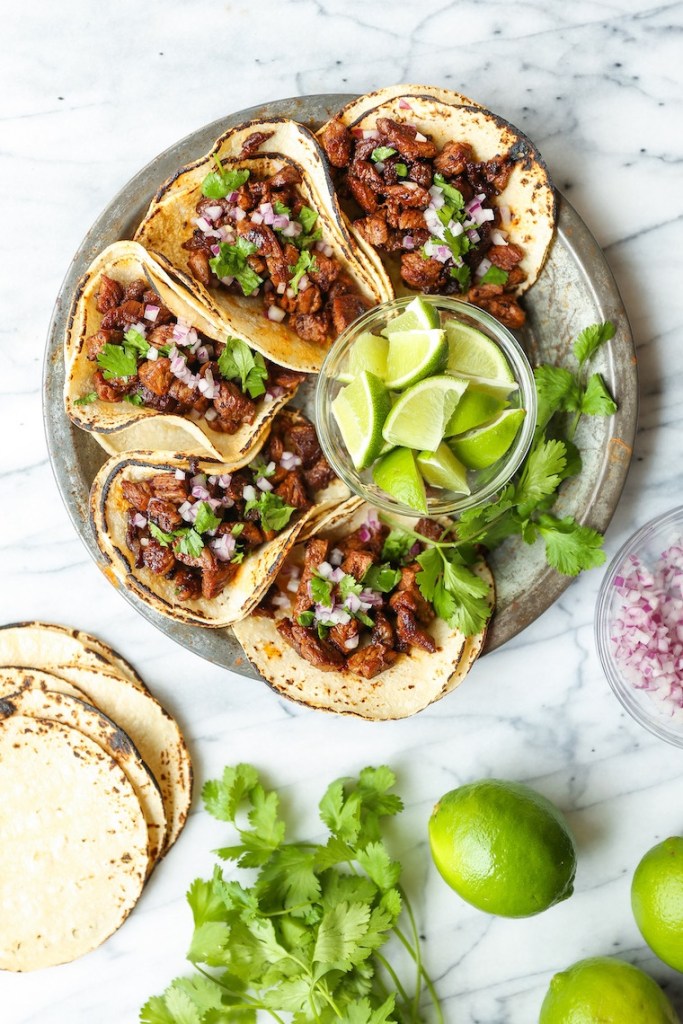
Serve steak in tortillas, topped with onion, cilantro and lime.
There may come a time in your life when you are forbidden carbs – ANY carb – for a 36 hour period. Unlikely, yes, but that’s what made me recall having grilled romaine.
I’d never tried to make it but desperate times called for desperate measures. Kidding. It’s really delicious. Truly.
Grilled Romaine Lettuce
GRILLED, Healthy, Salads,
Prep Time: 10 mins Cook Time: 10 mins Servings: Servings 3 to 4 servings Source: simplyrecipes.com
INGREDIENTS
3 to 4 romaine hearts
3 tablespoons extra virgin olive oil
1 tablespoon red wine vinegar (or cider vinegar)
2 teaspoons chopped fresh herbs such as rosemary, thyme, oregano (or 1 teaspoon dried mixed herbs)
1/4 teaspoon kosher salt
Pinch freshly ground black pepper
DIRECTIONS
Prep the romaine hearts:
Pull off any old leaves. Chop off the top 1 or 2 inches of the lettuce head, and shave off the browned part of the root end, leaving the root end intact so that the lettuce head stays together.
Prepare your grill:
Turn your gas grill to high or get your charcoal coal grill very hot.
Prepare the vinaigrette:
Put the oil, vinegar, herbs, salt and pepper in a small bowl and whisk with a fork to combine. Paint the lettuce hearts all over with the vinaigrette.
Grill the lettuce:
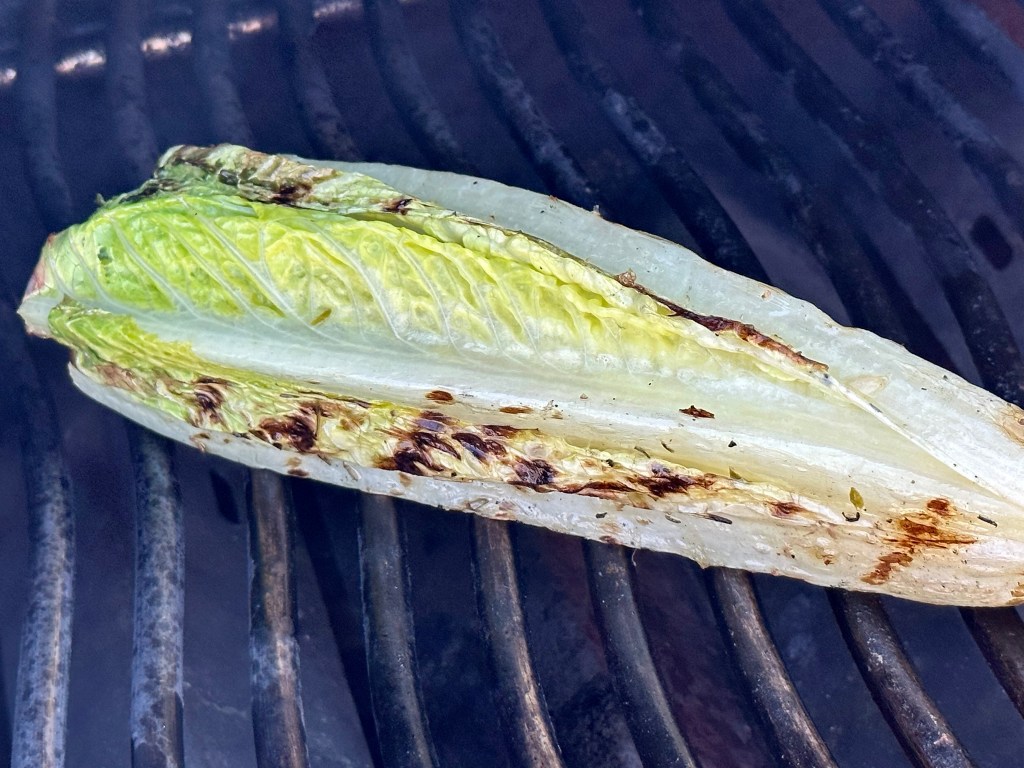
Grill the romaine hearts until lightly browned on all sides, turning every minute or two until done.
Serve immediately:
Serve immediately. You can either serve the hearts whole, or chop them and toss them for a salad.
NUTRITION
(per serving) 130 Calories 11g Fat 8g Carbs 3g Protein Nutrition Facts Servings: 3 to 4 Amount per serving Calories 130 % Daily Value* Total Fat 11g 14% Saturated Fat 1g 7% Cholesterol 0mg 0% Sodium 98mg 4% Total Carbohydrate 8g 3% Dietary Fiber 5g 17% Total Sugars 3g Protein 3g Vitamin C 9mg 47% Calcium 78mg 6% Iron 2mg 13% Potassium 572mg 12% *The % Daily Value (DV) tells you how much a nutrient in a food serving contributes to a daily diet. 2,000 calories a day is used for general nutrition advice.
1/2 cup (110g) unsalted butter, at room temperature and cut into 1-tablespoon pieces
6 large eggs
1 cup (200g) sugar
2 tablespoons cognac or Grand Marnier (optional)
Finely grated zest of 1 orange (about 1 tablespoon; optional)
Whipped Cream
1 1/2 cups (355g) heavy cream, very cold
3 tablespoons confectioners’ sugar
1 teaspoon pure vanilla extract
Unsweetened cocoa powder and/or bittersweet chocolate shavings, for topping
DIRECTIONS
To make the cake, heat the oven to 350°F (175°C), with a rack in the center. Line the bottom of an 8-inch (20cm) springform pan with parchment paper. (Do not butter the pan and parchment.)
Melt the chocolate in a heatproof bowl set over but not touching gently simmering water in a saucepan. You can whisk it occasionally to help it along. When it’s melted, remove the bowl from the heat and whisk in the butter until smooth.
In two small bowls, separate 4 of the eggs. In a large bowl, whisk 2 whole eggs and the 4 egg yolks with 1/2 cup (100g) of the sugar just until combined. Slowly whisk in the warm chocolate mixture. Whisk in the Cognac and the orange zest. Using a handheld mixer in a separate bowl, beat the 4 egg whites until foamy, about 2 minutes. Gradually add the remaining 1/2 cup (100g) sugar and beat until beautifully glossy, soft peaks form that hold their shape but aren’t quite stiff, about 5 minutes more. Very gently fold about a quarter of the beaten egg whites into the chocolate mixture to lighten it, then gently fold in the remaining whites. Scrape the batter into the pan and smooth the top.
Set the pan on a rimmed baking sheet and bake until the top is puffed and cracked and the center is no longer wobbly, 35 to 40 minutes. Be careful not to bake the cake beyond this point.
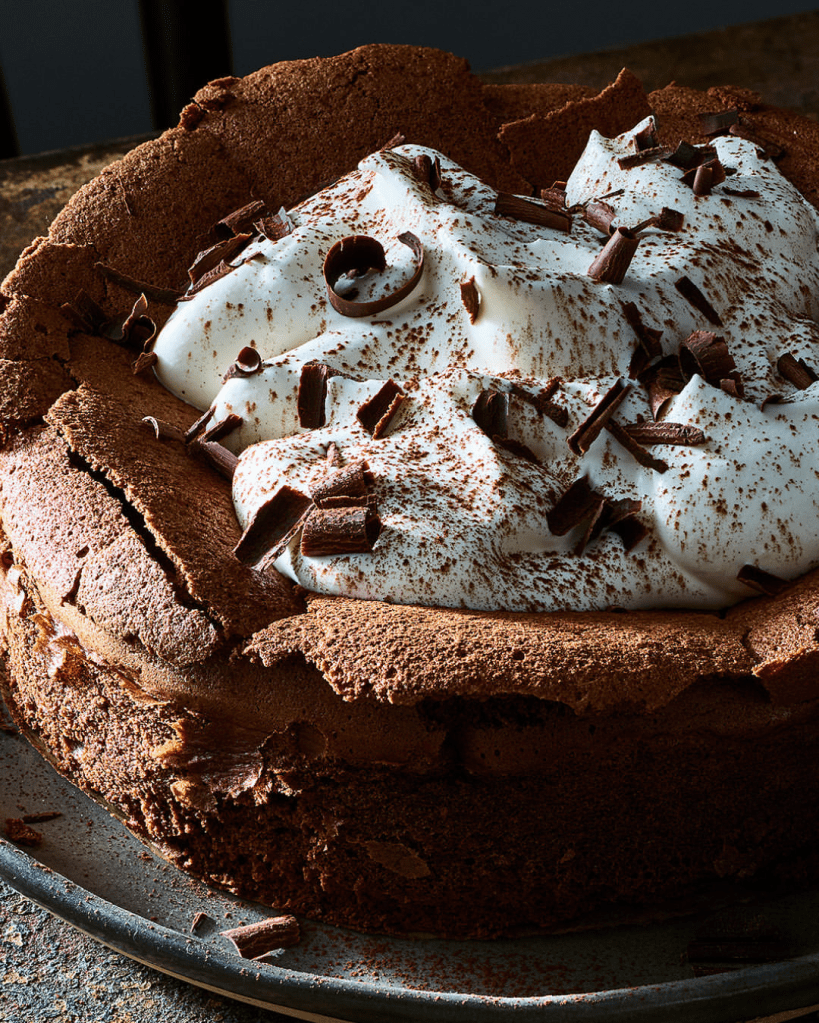
Let the cake cool in the pan on a rack. The center of the cake will sink as it cools, forming a sort of crater—this is good! Let the cake cool completely on a rack.
To make the whipped cream, whip the cream, confectioners’ sugar, and vanilla in a large bowl with a handheld mixer until billowy, soft—not stiff—peaks form.
Using a spatula, fill the sunken center of the cake with the whipped cream, swirling the cream to the edges of the crater. Dust the top lightly with cocoa powder.
Run the tip of a knife around the edge of the cake, carefully remove the sides of the pan, and cut into wedges to serve.
Store any leftovers airtight in the refrigerator—they won’t be very presentable but they’ll make a delicious moussey snack.










 Talk2USoon